

Dos and Don’ts of Using Post-Workout Supplements
Post-workout supplements have become a staple for many athletes and fitness enthusiasts, promising faster recovery, better performance, and more consistent progress. However, not everyone knows how to use them effectively, and mistakes in timing, dosage, or supplement choice can limit their benefits. While protein powders, creatine, and amino acids can all play a valuable role, choosing the best supplements to support workout recovery requires a clear understanding of your goals and body’s needs. Taking too much or relying solely on supplements without a balanced diet may lead to setbacks rather than gains. By learning the key dos and don’ts of supplementation, you can make smarter decisions that enhance recovery while avoiding common pitfalls. With the right approach, post-workout nutrition can become a powerful tool in building strength, endurance, and long-term fitness success.
Do: Choose Supplements That Match Your Goals
Not every supplement works the same way. If your goal is muscle gain, protein powders and creatine may be most effective. For endurance training, electrolytes and BCAAs are a better fit. Always align your supplement choices with your specific fitness goals rather than following popular trends. This ensures that your investment supports your personal workout plan.
Don’t: Rely on Supplements Alone

Supplements are designed to complement, not replace, a balanced diet. Depending solely on powders and capsules without consuming whole foods can lead to nutrient imbalances. Lean proteins, complex carbs, fruits, and vegetables should form the foundation of your recovery nutrition, with supplements filling in the gaps.
Do: Pay Attention to …




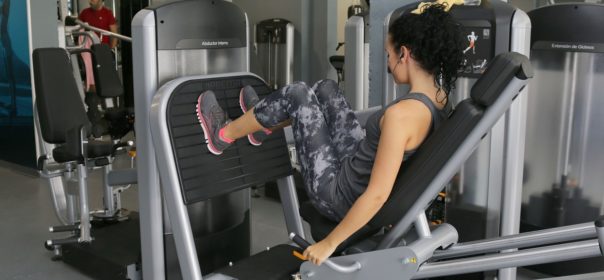
 The target for squats is your lower abdomen. Cycling is a good amount of exercise will put the abdominal muscles and have work abs. When the cycling sessions ended, I started doing push-ups. If you want muscles do aerobics or balance exercises.